There is a particular kind of heartbreak that only a reader can know - the moment you realise the film version of your beloved book has wandered so far off course that it might as well be a completely different story.
TL;DR - "The book was better!"

TL;DR - "The book was better!"
Hollywood has always had a complicated relationship with the written word. For every faithful, thoughtful adaptation that honours its source material - your Shawshank Redemptions, your No Country for Old Mens - there are a dozen others where studio executives have apparently skim-read the blurb and called it a day. What follows is a rogue's gallery of the most egregious offenders: films that took beloved books, stripped out everything readers loved, and somehow expected a standing ovation.
Based on the eight-novel series by Stephen King
Catastrophic condensation
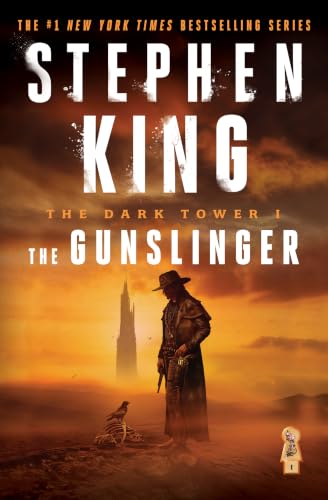
Stephen King spent more than three decades building one of modern fiction's most expansive and ambitious mythologies - an eight-book, multi-dimensional odyssey following Roland Deschain, the last Gunslinger, across a dying world toward a tower at the centre of all existence. The film adaptation distilled this into a breezy 95-minute action romp that played out more like a highlight reel of concepts than a coherent story. The filmmakers made the baffling decision to market it as a sequel to the books rather than a straight adaptation, which gave them licence to tear up the mythology entirely. Fans of Roland's tortured, near-mythic journey through Mid-World were left bewildered as their grizzled anti-hero became a fairly standard action figure. A second series was announced; audiences had already moved on.
Based on the novel by Christopher Paolini
World-building? What world-building?
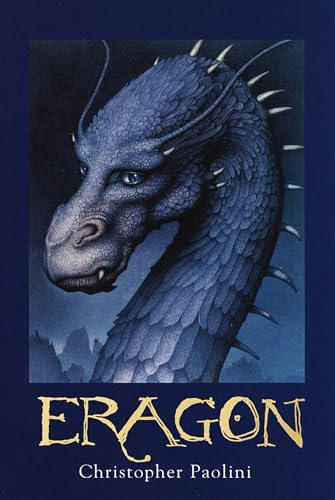
Christopher Paolini wrote his debut fantasy novel as a teenager, and for all its debts to Tolkien and McCaffrey, it had genuine heart, intricate lore, and a lovingly constructed world called Alagaësia. The film adaptation honoured almost none of it. Entire characters were erased, plot arcs that consumed hundreds of pages were jettisoned or garbled beyond recognition, and the dragon Saphira - reduced to a handful of scenes - lost the depth of relationship with Eragon that gives the story its emotional core. The result felt rushed and hollow, as if the production team had a checklist: dragon, boy, evil king, done. Paolini himself has since spoken about his disappointment. A planned sequel was quietly abandoned, and the franchise has since been rebooted as a TV series in the hope of getting it right.
Based on Northern Lights by Philip Pullman
Defanged and defunded
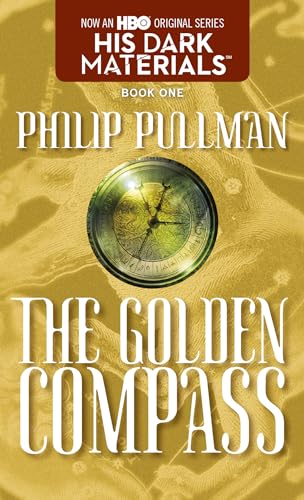
Philip Pullman's Northern Lights is a masterwork of children's literature that dares to ask profound questions about religion, free will, and institutional power. The film stripped the story of practically everything that made it vital and dangerous. Under pressure from religious groups and a studio apparently terrified of controversy, the anti-theistic themes that give the book its moral backbone were gutted. The ending was rearranged to remove the cliffhanger that propels the narrative into its sequels. What remained was a visually handsome but spiritually empty adventure film - spectacular dæmons and armoured polar bears in service of a story that had been scrubbed clean of its purpose. When the BBC later adapted all three books for television with their teeth intact, audiences were reminded just how much the film had left on the floor.
Based on the novel by Rick Riordan
Wrong age, wrong story
Rick Riordan's opening chapter in the Percy Jackson series is fundamentally a coming-of-age story built around a twelve-year-old navigating his first year at a camp for demigods. The film aged the characters up to mid-teenagers and promptly threw out much of the plot that Riordan had so carefully constructed - including key mythology, character introductions, and the overarching threat that gives the series its stakes. Riordan was famously vocal about his distaste for both films, publicly stating he had no creative input. The franchise limped through a second instalment before being put to rest, only to be revived - far more faithfully - as a Disney+ series, which Riordan co-wrote himself and which critics hailed as the adaptation readers had always deserved.
Based on the novel by Max Brooks
Name only
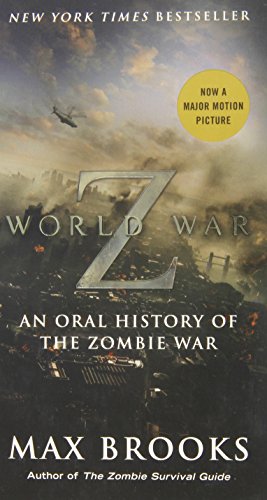
Max Brooks's novel is a work of remarkable structural ingenuity - an oral history of a global zombie apocalypse told through dozens of fragmented witness accounts from across the world. It is a slow, literary, deeply political book, more interested in systems failure and human resilience than in action-movie thrills. The film shares its title and approximately nothing else. Brad Pitt anchors a globe-trotting action blockbuster that jettisons the anthology format, the geopolitical satire, the grounded horror, and the book's defining pessimism in favour of a fairly standard race-against-time thriller. It is a perfectly watchable zombie film; it is emphatically not World War Z. Fans of the novel tend to recommend simply ignoring the movie's existence entirely.
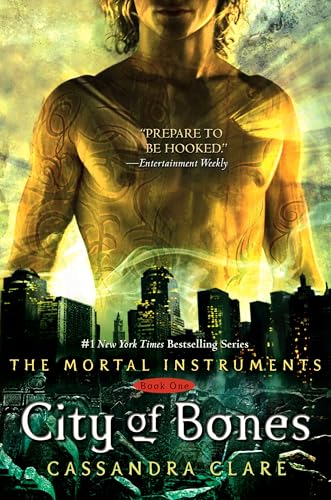
Based on the novel by Cassandra Clare
Shadowhunter shambles
Cassandra Clare's urban fantasy series commands a fiercely devoted readership, and the source material had all the ingredients for a propulsive, visually rich franchise. The film, however, was overwhelmed by its own mythology - drowning in exposition, lurching between tones, and failing to give its large ensemble cast enough room to breathe. Critics were not kind; audiences stayed away. The planned sequel was cancelled mid-production, with the studio opting instead to pivot to a television series, Shadowhunters, which ran for three seasons and, despite its own inconsistencies, managed to capture more of what Clare's readers actually responded to.
What unites these misfires is rarely a lack of budget or talent. It is, almost always, a failure of nerve and imagination - a reluctance to trust that the qualities that made readers love a book in the first place are worth preserving on screen. The irony is that the studios who stripped these stories down in pursuit of broader appeal typically ended up with films that pleased nobody: too hollow for fans, too confusing for newcomers.
The good news is that streaming has changed the calculus. The long-form series format, with its freedom to breathe and build, has given franchises like Percy Jackson and His Dark Materials a genuine second chance - and the results have been instructive. Give a story the space it needs, trust the source material, and readers, it turns out, will follow.
To create a universal book link simply add your book's ISBN or Amazon ASIN number using our linking tool.
Create Your Link