The 1980s was a pivotal decade for horror literature, with a plethora of talented authors pushing the boundaries of the genre. During this period, horror books became increasingly popular, and the decade saw the rise of some of the most iconic and influential horror writers of all time.
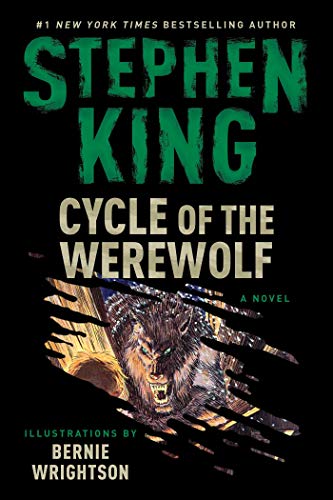
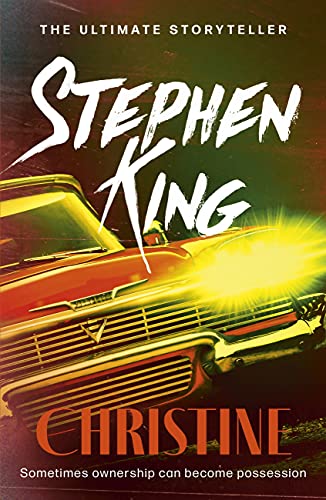
Leading authors like Stephen King, Ramsey Campbell, and Peter Straub dominated the horror scene, each bringing their unique style and themes to the table. Stephen King, in particular, was on a roll, churning out classics like "Cujo" (1981), "Christine" (1983), and "Misery" (1987). King's ability to craft relatable, small-town characters and pit them against supernatural or terrifyingly human villains resonated with readers and helped to cement his position as the master of modern horror.
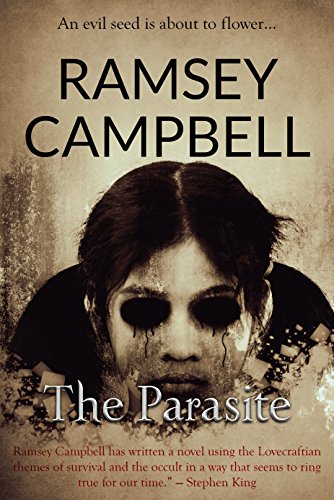
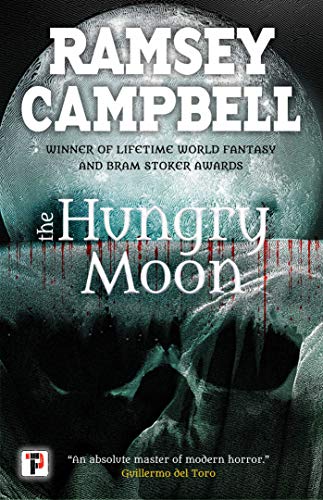
Ramsey Campbell, on the other hand, was exploring the more psychological and atmospheric aspects of horror. His novels, such as "The Influence" (1988) and "Ancient Images" (1989), delved into the darker corners of the human psyche, often incorporating elements of the supernatural and the unknown. Campbell's writing style, which emphasized subtle suggestions and implications rather than overt gore or violence, added a layer of sophistication and depth to the horror genre.
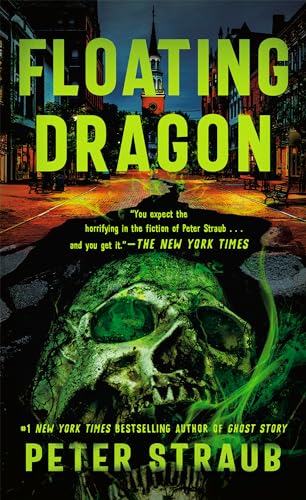
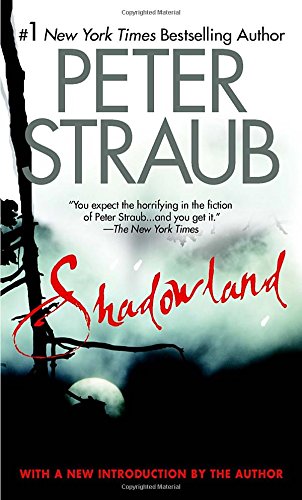
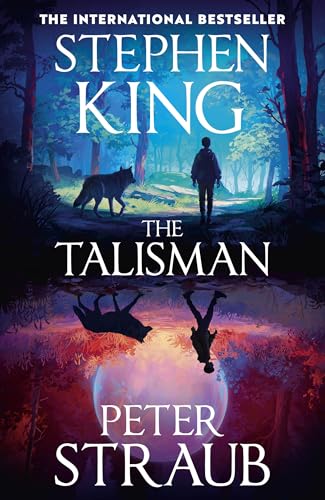
Peter Straub, meanwhile, was busy creating complex, literary horror novels that defied easy categorization. Works like "Ghost Story" (1981) and "The Talisman" (1984, co-written with Stephen King) showcased Straub's ability to blend elements of fantasy, mythology, and psychological horror into rich, immersive narratives. Straub's writing often explored themes of trauma, memory, and the power of storytelling, adding a layer of depth and nuance to the horror genre.
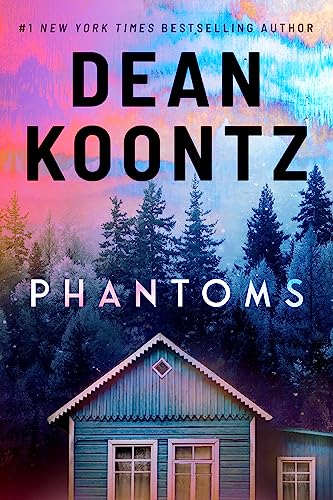
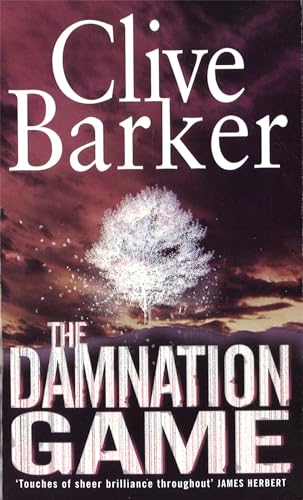
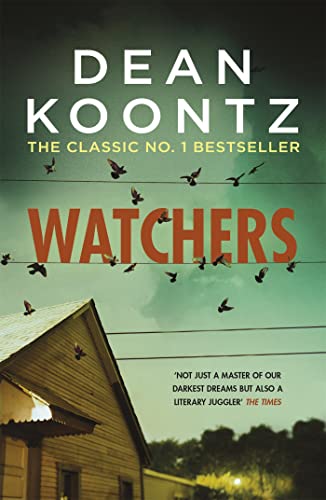
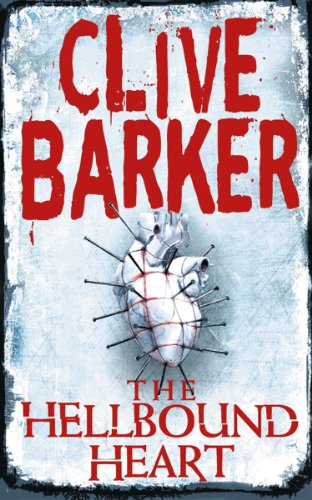
Throughout the decade, other notable authors like Clive Barker, Dean Koontz, and Anne Rice also made significant contributions to the horror genre. The 1980s saw a proliferation of horror sub-genres, from splatterpunk to supernatural horror, and the rise of small press publishers and horror anthologies helped to foster a sense of community and creativity among horror writers.
Overall, the horror books of the 1980s were marked by a sense of experimentation and innovation, as authors pushed the boundaries of the genre and explored new themes, styles, and ideas. The decade's leading authors, including King, Campbell, and Straub, helped to shape the horror genre into what it is today, and their influence can still be felt in the work of contemporary horror writers.
Here's our list of some of the best examples of 80's horror.